
Hire Technical Talent That Solves Problems and Keeps Systems Running
PSP Metrics helps organizations identify candidates who can think critically, troubleshoot effectively, and perform in complex technical environments from day one.



Where Problem-Solving and Precision Drive Performance
Technical roles require more than knowledge. They demand strong reasoning, attention to detail, and the ability to make sound decisions in complex, real-world situations.
PSP Metrics helps you evaluate how candidates think, analyze, and respond to challenges so you can hire individuals who will perform reliably in critical systems and technical roles.


Hiring for Roles Where Complexity Is the Standard
Technical roles often require fast problem-solving, precise execution, and the ability to interpret complex information under pressure.
-

Difficulty evaluating real problem-solving ability before hire
-
Candidates who interview well but struggle in real-world scenarios
-
High cost of mistakes in systems, data, or operations
-
Limited visibility into how candidates think and make decisions

A Better Way to Evaluate Technical Talent
We go beyond credentials to measure how candidates analyze information, solve problems, and respond to real-world challenges.
How we support clients nationwide:
-
Assess logical and quantitative reasoning
-
Evaluate attention to detail and accuracy
-
Measure decision-making in complex scenarios
-
Reduce hiring risk with objective, data-backed insights
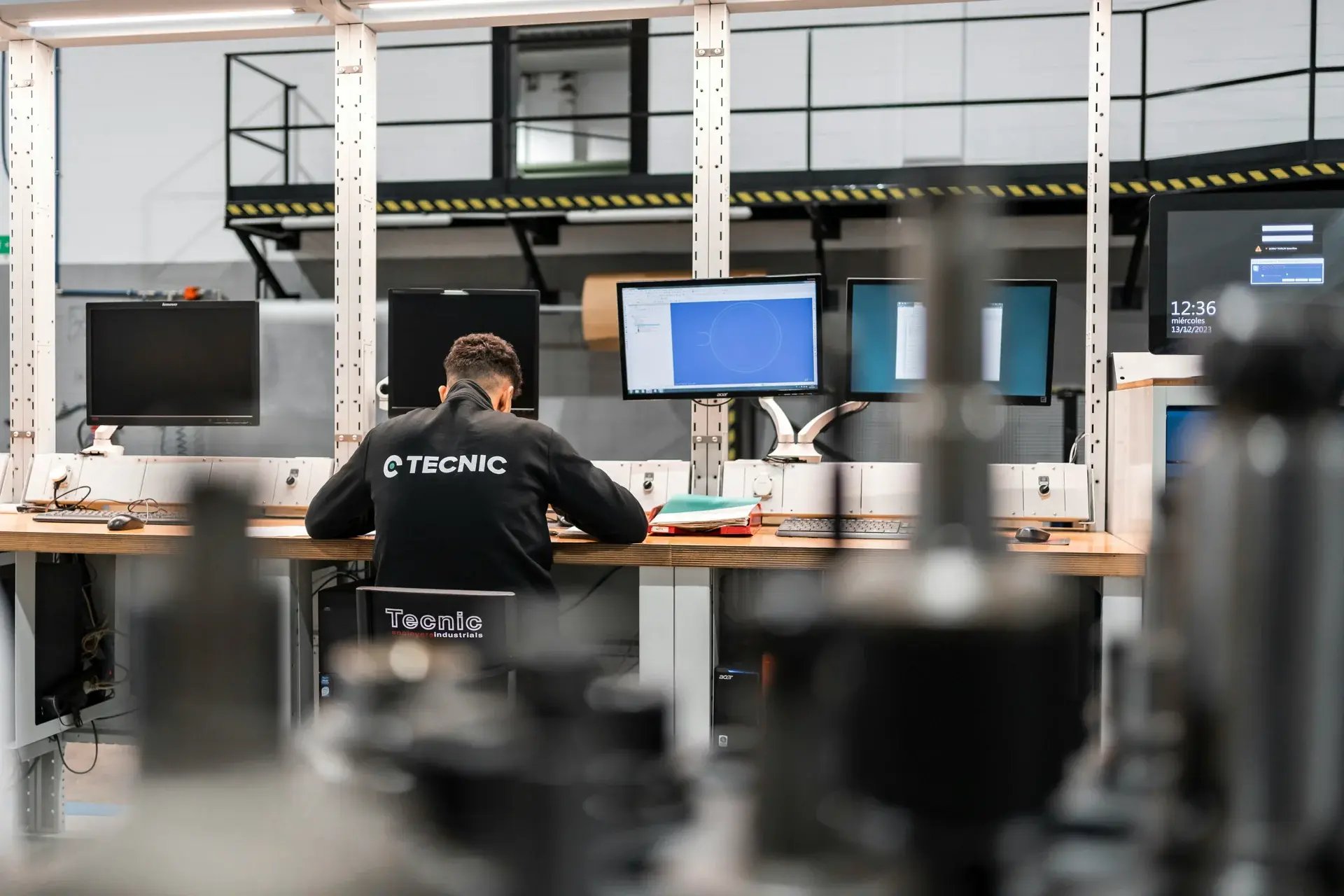
Purpose-Built Assessments for Every Role
Software & Systems Specialist
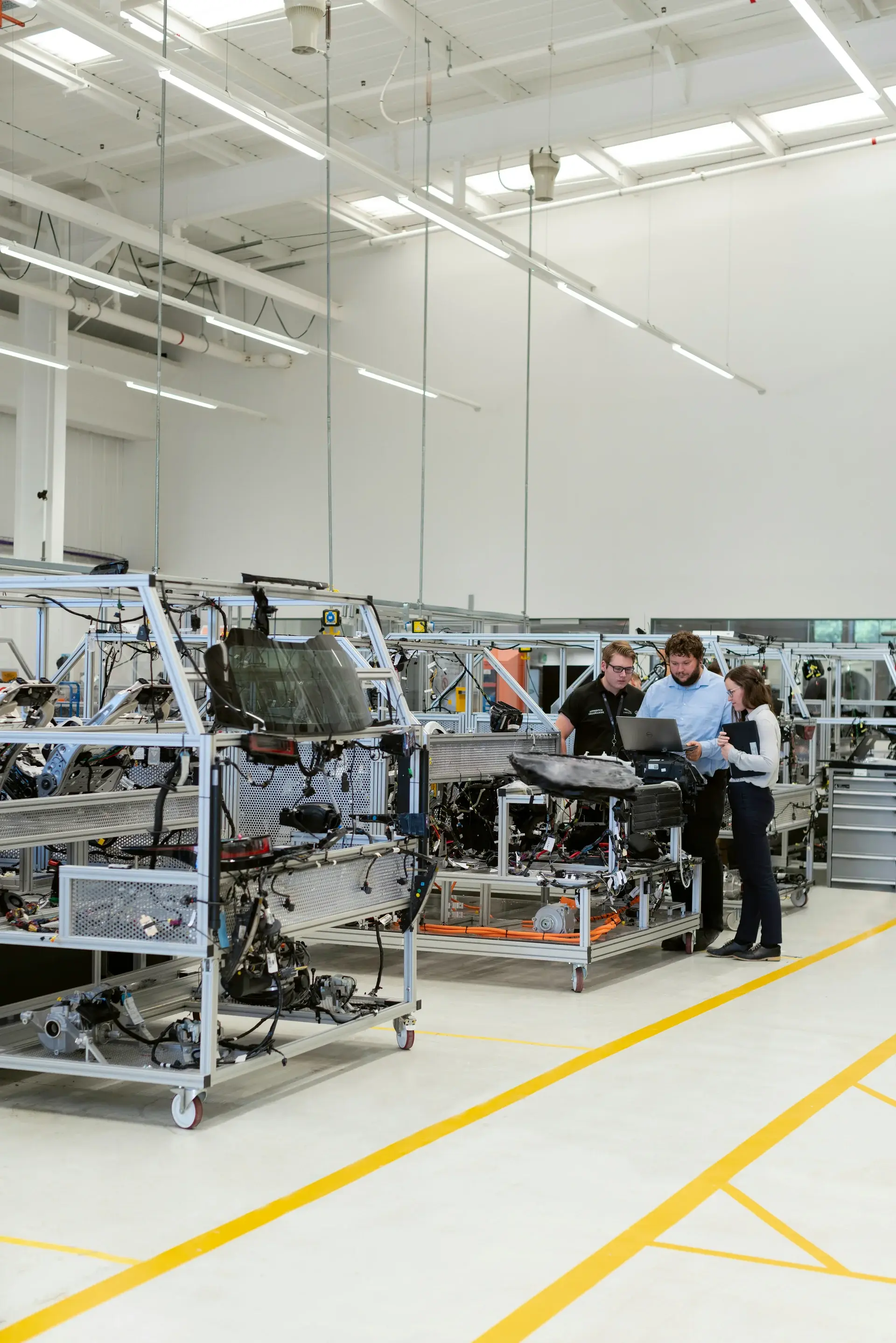
Responsibilities
Monitor systems, analyze data, and troubleshoot technical issues to maintain performance and reliability.
What We Evaluate
Logical reasoning, attention to detail, and the ability to interpret data and identify issues.
Why It Matters
System performance depends on accurate decision-making. PSP Metrics helps identify candidates who can manage complexity and respond effectively.
Technical Analyst
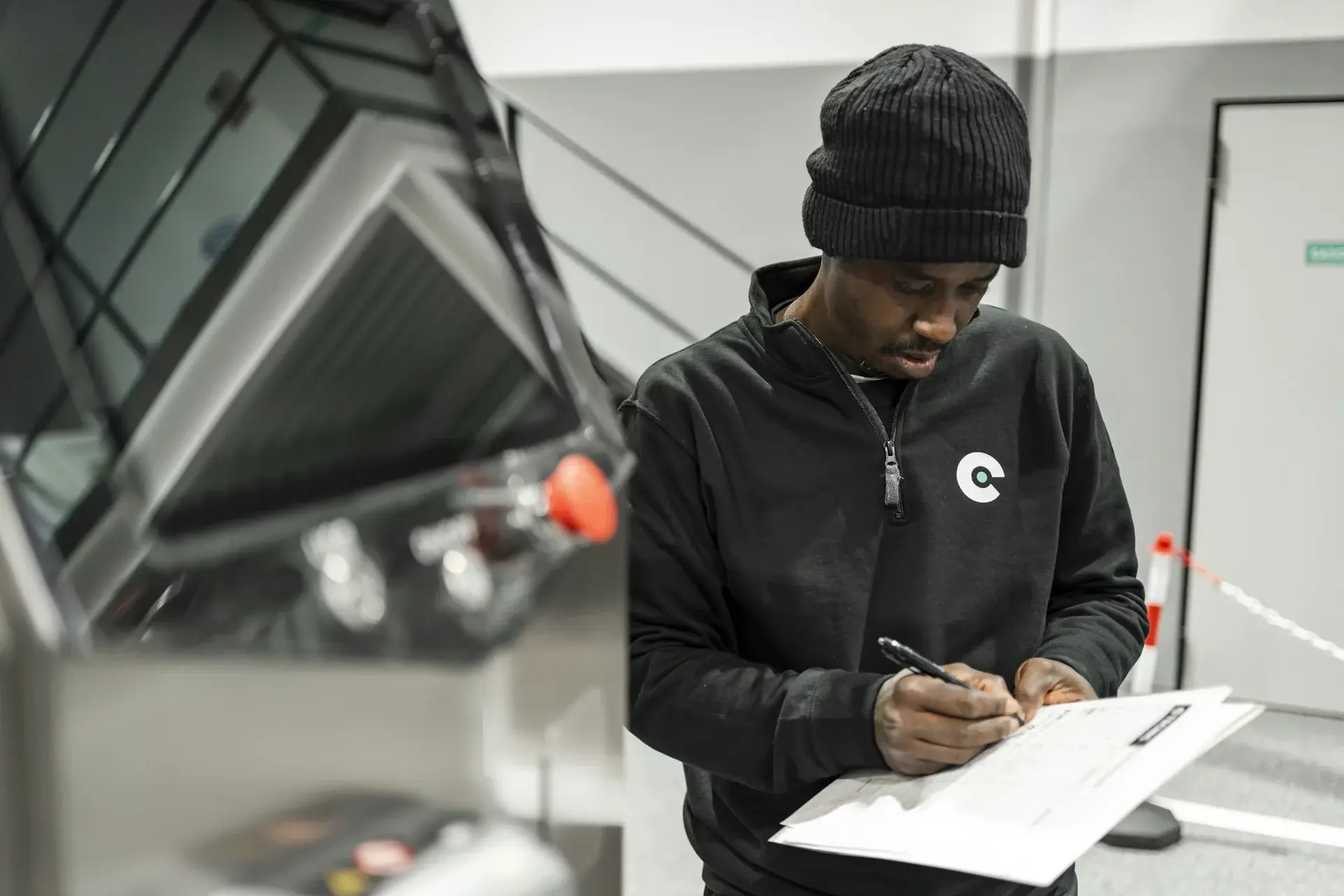
Responsibilities
Analyze data, generate insights, and support decision-making across systems and operations.
What We Evaluate
Analytical thinking, data interpretation, and attention to detail.
Why It Matters
Better analysis leads to better decisions. PSP Metrics helps identify candidates who can interpret data and drive outcomes.
Engineer (Technical)
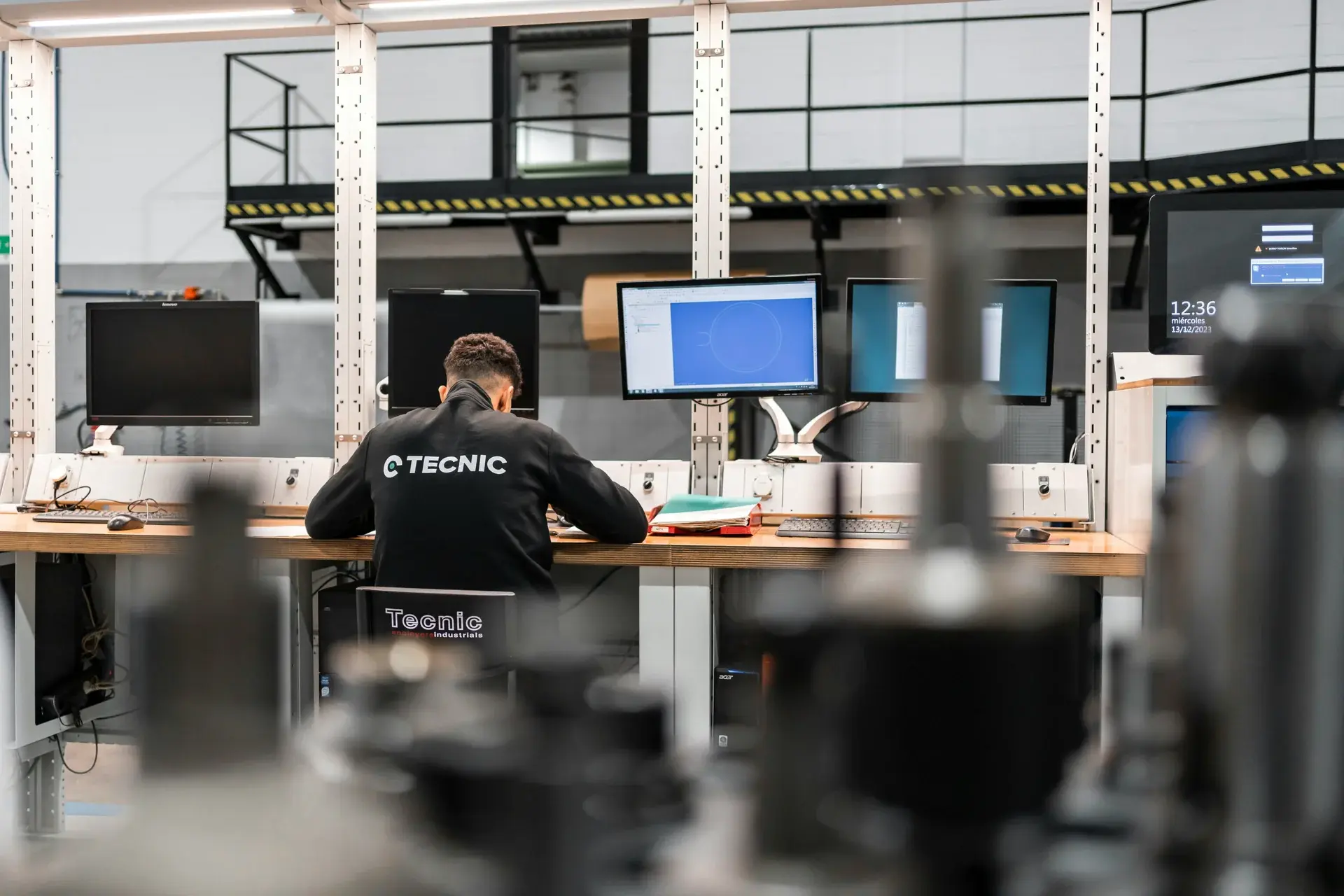
Responsibilities
Design, develop, and improve systems and processes across technical environments.
What We Evaluate
Problem-solving, analytical thinking, and system-level decision-making.
Why It Matters
Engineers drive system performance and innovation. PSP Metrics helps identify candidates who can solve complex problems.
IT / Systems Support

Responsibilities
Support users, troubleshoot issues, and maintain system performance across technical environments.
What We Evaluate
Problem-solving, communication, and the ability to resolve issues under pressure.
Why It Matters
Support roles keep systems running. PSP Metrics helps identify candidates who can respond quickly and effectively.
Make Confident Decisions with Clear, Actionable Data
-
Overall fit scores to prioritize candidates
-
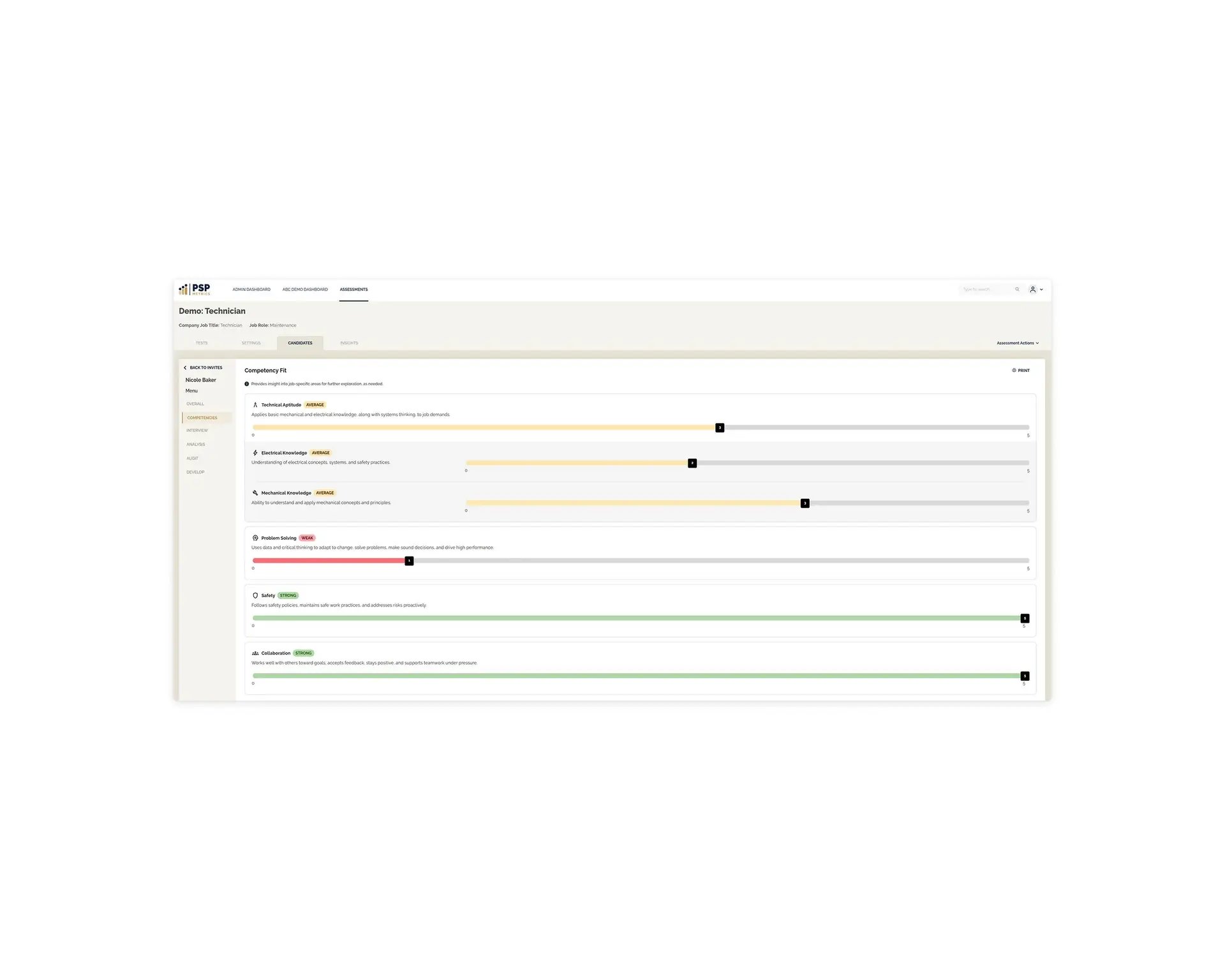
Competency-level insights to identify strengths and risks
-
Structured interview guides tied to job requirements
-
Consistent scoring across candidates












Have questions? We’ve got answers
Find answers to your questions about our service and industry options.
Still have questions?
We’re here to help every step of the way.
How is PSP Metrics assessment different from a typical technical screen?

Most technical screens measure what a candidate knows. PSP Metrics measures how they think, how they troubleshoot, and how they respond when systems behave unexpectedly. The result is a complete view of real-world technical capability, not just credentials.